Respite Care in Smaller Senior Residences: A Gentler Choice for Families
Business Name: BeeHive Homes of Lamesa TX
Address: 101 N 27th St, Lamesa, TX 79331
Phone: (806) 452-5883
BeeHive Homes of Lamesa
Beehive Homes of Lamesa TX assisted living care is ideal for those who value their independence but require help with some of the activities of daily living. Residents enjoy 24-hour support, private bedrooms with baths, medication monitoring, home-cooked meals, housekeeping and laundry services, social activities and outings, and daily physical and mental exercise opportunities. Beehive Homes memory care services accommodates the growing number of seniors affected by memory loss and dementia. Beehive Homes offers respite (short-term) care for your loved one should the need arise. Whether help is needed after a surgery or illness, for vacation coverage, or just a break from the routine, respite care provides you peace of mind for any length of stay.
101 N 27th St, Lamesa, TX 79331
Business Hours
Families usually reach respite care with a mix of relief and guilt. Relief at the idea of a short break. Guilt for even wanting one. I have relaxed adequate cooking area tables with adult children, partners, and tired household caretakers to understand that this tension is genuine, and it is heavy.
Most people just become aware of large assisted living communities or nursing homes. Yet a growing variety of families discover that smaller senior homes, often called board-and-care homes, residential care homes, or adult family homes (terms differs by state), use a more personal method to approach both respite care and longer-term senior care.
This quieter option is not perfect, and it is wrong for each circumstance. For numerous, though, it develops a softer landing for both older adults and their families.
What "smaller senior home" truly means
When we speak about smaller homes in the context of elderly care, we usually mean certified residences that serve someplace in between 4 and 16 homeowners, frequently in a regular house converted for assisted living. Laws differ by state, however a few patterns appear repeatedly.
These homes are embedded in communities rather than on big campuses. You walk up a driveway, sound a regular doorbell, and step into a shared living room instead of a lobby. The owner is frequently present and included. Personnel tend to understand every resident's favorite snack, bedtime regimen, and family members by name.
From an operational perspective, smaller homes offer a lot of the very same core services as larger assisted living neighborhoods:
- Help with activities of daily living like bathing, dressing, and grooming
- Medication reminders and, in many cases, medication management
- Meals and snacks, usually prepared internal
- Housekeeping and laundry
- Social interaction and light activities
The difference sits less in the checklist of services and more in the scale, speed, and intimacy of the setting. That distinction is frequently felt most clearly during a short-term stay, which is precisely what respite care is.
What respite care provides caretakers - beyond "a break"
Most families first hear the term "respite care" from a doctor, social worker, or case supervisor after a hospitalization or a health scare. Technically, respite care simply indicates momentary care for an older adult so the primary caretaker can rest or address other obligations. In practice, it carries far more weight.
For caretakers, especially those handling jobs and their own health, respite care can:
- Interrupt burnout before it results in a crisis
- Provide foreseeable time for surgery, travel, or significant life occasions
- Offer a "trial run" of assisted living or other senior care choices
I keep in mind a son who had actually been taking care of his mother with sophisticated arthritis in his one-bedroom home. He had actually not slept more than 4 hours at a stretch in months. He scheduled a two-week respite stay for her in a six-bed home. When he dropped her off, he was pale, wired, and half-convinced he was deserting her. When he selected her up, she was chatting about the caregiver who made her special tea in the evening, and he looked 10 years more youthful. That stay did not resolve everything, however it broke a harmful cycle.
For older adults, respite is not just a service for the caregiver's advantage. A well-run respite stay can:
- Introduce them to brand-new people and routines at a mild rate
- Offer more guidance and security during a susceptible period, such as after a fall or surgical treatment
- Reveal what type of assistance actually enhances their day, which can inform future planning
The quality of that experience depends greatly on the environment. This is where smaller senior homes often shine.
Why smaller homes feel various throughout a respite stay
Respite care in a hectic, 80-bed assisted living building can definitely be done well. Some larger communities have devoted respite homes and complete calendars of activities. However, brief remain in big settings sometimes feel hurried or transactional. Staff need time to learn more about a new resident, and in a huge operation, that time can be limited.
In smaller residential homes, the pace tends to be slower and the sensory load lighter. For somebody coming from a quiet personal home, that matters. The first few days of respite are everything about orientation: new bathroom, brand-new faces, new sounds at night. Less stimuli make that change easier.
Several functions of small homes are specifically practical during respite:
Familiar scale. A house with a living room, cooking area, and yard feels more like the environment numerous older grownups understand. Someone who has actually invested 50 years in single-family homes might find hotel-like corridors and elevators disorienting.
Staff consistency. In a home with 4 to 10 residents, there are usually only a handful of caretakers turning through. A new respite resident often sees the very same faces at breakfast, medication time, and bedtime. That connection accelerate trust.
Informal regimens. Large assisted living neighborhoods need to orchestrate dining, bathing, and transport for lots or hundreds of locals. Smaller homes can flex more, changing meal times, treat choices, or shower schedules to the individual, especially throughout a trial stay.
Quicker course correction. When something is off - perhaps Dad is not sleeping well, or Mom is confused by the new regimen - the owner or supervisor typically notifications rapidly. With less residents, subtle modifications are easier to see, and adjustments can frequently be made the very same day.
This does not mean every small home is warm and attentive, nor that every big neighborhood is impersonal. The point is that scale shapes how respite care feels, both for the individual staying and for the household dropping them off at the front door.
A day in respite care inside a small senior home
Families frequently ask what a normal day looks like during respite in a smaller setting. While every home has its own taste, the everyday rhythm generally follows a basic, repeatable arc.
Mornings start with calm wake-ups. Excellent caretakers learn rapidly who needs a mild knock and who is already sitting up waiting for coffee. Medication passes are often paired with breakfast, which may be prepared to buy or served family-style around a dining table. New respite citizens are typically seated near someone sociable who can help them feel included.
Late early morning might include light activities: easy chair workouts, music, a puzzle at the kitchen table, or a walk in the yard if movement permits. In many of these homes, the activity is woven into home regimens. A resident may help dry meals or fold hand towels, which restores a sense of purpose that formal "activities" in some cases lack.
Afternoons tend to be quieter. After lunch, some homeowners nap, others view television or chat. Respite guests are observed a bit more carefully throughout this time. This is when caregivers begin to see patterns: Does Mrs. J end up being uneasy around 3 pm? Does Mr. K need suggestions to utilize his walker when he stands up?
Evenings close with familiar conveniences: easy suppers, a preferred program, phone calls with family, night medications, and bedtime care. One advantage respite care of a smaller home is that bedtime regimens can be individualized without triggering operational mayhem. If Dad has always viewed the 10 pm news and then brushed his teeth, staff can frequently honor that habit.
A well-run respite stay likewise consists of family touchpoints. You need to anticipate:
Regular updates. This can be as simple as a fast call after the opening night or a picture of your mother enjoying lunch with another resident.
Clear interaction about any modifications. For example, if your father is refusing his normal evening shower, the personnel should go over that with you rather than silently changing his care routine.
A brief debrief at the end of the stay. The best homes take 15 or 20 minutes to share what they observed and any recommendations for future care. Sometimes that discussion confirms that home care is still realistic. Other times it highlights emerging needs that the household had not completely seen.
How smaller homes compare to bigger assisted living for respite
Families typically ask whether they ought to pick a small residential home or a bigger assisted living neighborhood for a first respite stay. The truthful response is that it depends upon character, needs, and long-term plans.
Here is a fast comparison snapshot that captures the most relevant distinctions for respite care:
- Environment: Smaller homes seem like personal homes, normally quieter and less structured. Bigger assisted living neighborhoods feel more like hotels or small schools, with more foot traffic and background noise.
- Social life: Small homes use intimate interaction with a handful of locals, which works well for introverted or distressed individuals. Larger neighborhoods offer more people and occasions, which can be energizing for outbound locals.
- Clinical support: Numerous small homes can deal with moderate physical care requirements, including help with transfers, toileting, and some memory care. Larger buildings might have more on-site nursing hours or access to physical therapy, which matters for complex medical circumstances.
- Staffing patterns: Residential homes typically have less personnel but a higher staff-to-resident ratio during the day. Larger neighborhoods have more personnel in general, yet homeowners may engage with a wider range of caretakers.
- Future fit: If the respite stay is a "tryout" for a likely long-lasting move, consider where your loved one would prosper over the next few years, not just over the next week.
The best choice frequently emerges from understanding your loved one's temperament. Someone who finds modification frustrating and prefers a small circle of familiar faces usually adapts better to a smaller senior home. Someone who thrives around hustle and range may do well in a bigger assisted living environment, even for a short stay.
Who benefits most from respite in a smaller senior home
Over the years, particular patterns have stood out in regards to who tends to do specifically well in smaller settings.
Highly routine-driven people. If your mother utilizes the very same mug every morning and arranges her closet by color, she is probably extremely sensitive to interfered with regimens. The regulated environment of a small home can cushion the effect of a short-term move.
Early to moderate dementia. Individuals with amnesia frequently fight with big, noisy environments. Hallway labyrinths, multiple dining-room, and crowds can increase agitation. Smaller homes, when appropriately trained in dementia care, can provide predictable cues and simpler navigation.
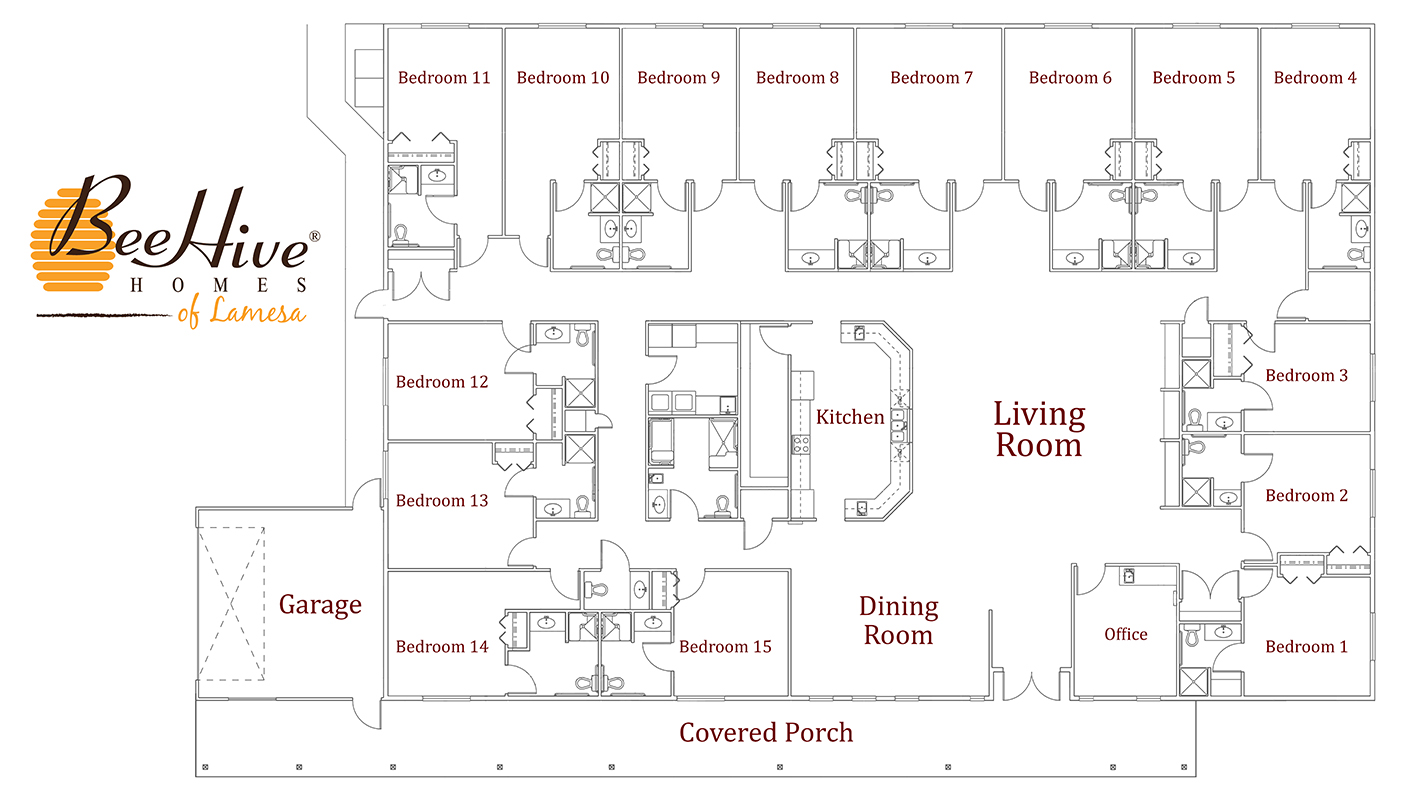
Reluctant "joiners." Not every older adult desires bingo or group getaways. A man who invested his life reading in a peaceful den is more likely to feel comfortable in a small home where interaction is mild and optional, not orchestrated.
Individuals recuperating from a hospital stay. After a fall, stroke, or surgical treatment, many older adults require short-term aid that is too intensive for home yet does not require a nursing home level of care. A small residential home can provide supervision, medication assistance, and assisted living design assist with everyday tasks in a lower-stress setting.

On the other hand, some circumstances require more advanced environments:
Complex medical requirements. Ventilators, feeding tubes, or regular injections normally require skilled nursing. Most small homes are accredited for custodial care, not complete medical care.
Active, extremely social personalities. Someone who likes group classes, trips, and a busy calendar may discover the quiet of a small home stifling, especially for a longer respite or long-term stay.
Understanding these nuances makes it much easier to match the environment to the person, instead of insert them into whatever choice is most familiar.
Cost and logistics: what households ought to realistically expect
Cost differs widely by region, but respite care in smaller senior homes is usually charged on an everyday or weekly rate. In numerous markets, households see numbers in the variety of 150 to 350 dollars per day for standard assisted living level care, with possible add-ons for greater needs.
Several useful points frequently capture households off guard.
Short stay premiums. Some homes charge a somewhat greater daily rate for really short stays, such as under 2 weeks, since the administrative work and room turnover are comparable no matter length.
Deposits and prepayment. A refundable deposit and upfront payment for the anticipated stay are common, particularly for newbie families. Policies differ, so check out the contract carefully and ask what happens if your loved one comes home earlier than planned.
Minimum stay requirements. Numerous homes set minimums such as 7, 10, or 14 days, mainly to make the disruption of admission worthwhile and to offer the resident adequate time to settle.
Medications and paperwork. Expect to supply an updated medication list, a recent case history, and sometimes TB testing or vaccination records, depending upon local policies. Houses that take these requirements seriously are protecting both your loved one and the existing residents.
Insurance and programs. Traditional Medicare does not normally pay for non-medical respite in assisted living design settings. Some long-lasting care insurance plan cover respite care in certified centers, however pre-authorization is frequently needed. Veterans advantages or state programs might assist in many cases, though the rules are highly particular to your region.
A good operator will walk you through these details without rushing. If the monetary discussion feels unclear or pressured, that is an indication to slow down and revisit whether this is the ideal fit.
How to evaluate a smaller senior home for respite
Choosing a small home is less about glossy pamphlets and more about what you sense when you walk in the door. Still, a bit of structure helps when emotions are high.
Here is a practical set of concerns and observations to assist your visit:
- First impressions: Does the home odor clean but not chemical? Are residents dressed in regular daytime clothing, or do you see lots of people in nightwear after late morning?
- Staffing: How many caregivers are on responsibility during the day and at night? Ask specifically about night protection, since falls and confusion often increase after dark.
- Owner or supervisor presence: Is the individual in charge visible and engaged, or always "in a meeting"? Strong management is vital in smaller homes, where a couple of individuals set the tone.
- Resident engagement: Do staff talk with residents while assisting them, or do they speak over them? See a simple interaction, like assisting someone to the table, and observe whether the resident seems appreciated.
- Respite experience: How many respite stays do they deal with in a normal month, and how do they help brand-new citizens change during the very first two days?
Do not stress over asking too many concerns. Experienced operators expect it, and their willingness to address frankly often informs you as much as the content of the answers.
Common worries households have - and what experience suggests
A handful of concerns surface area almost whenever I meet a family thinking about respite in a small senior home. They are valid, and worth examining without sugarcoating.
"What if they are lonesome?"
In a six-bed home, there will be less possible companions. However, for many older grownups, the quality of interaction matters more than amount. Two or 3 residents they truly like, integrated with attentive caretakers, frequently provide sufficient social nourishment for a brief stay. If your loved one is extremely extroverted, you might arrange additional visits or video calls throughout the stay."What if they simply sit around throughout the day?"
Activity in smaller homes tends to be downplayed. Instead of a published calendar, you may see informal card video games, TV, conversation, and light home assistance. For respite stays, the primary objective is security, rest, and emotional ease. Expect less shows than in large assisted living neighborhoods, however likewise less over-scheduling. If you desire more structure, go over that beforehand and see what can be arranged."Will they know how to manage my parent's dementia?"
Some small homes focus on memory care and train staff accordingly. Others accept residents with dementia however have limited training beyond the basics. Look past the sales brochure language and request for examples: How do they manage a resident who wants to go "home" in the evening? What do they do if someone declines to shower for several days? Specific stories expose more than generic assurances."Will my parent resist going back home?"
This concern cuts both methods. Some households fear that their loved one will not wish to leave. Others fear they will decline to remain at all. In practice, the majority of respite stays in small homes end with the older adult going home as prepared. If they prosper in the brand-new environment, you gain important information for future planning. If they do not, you have still discovered what does not work, without dedicating to a long-term move."Are small homes safe enough?"
Security in elderly care depends much more on culture and staffing than on building size. A well-run six-bed home with stable personnel, clear regimens, and available restrooms is normally much safer for a frail grownup than a chaotic 100-bed structure with high turnover. Ask to see their last state inspection report if your state publishes those, and take note of how staff respond when an alarm sounds or a resident requirements unscheduled help.These issues hardly ever disappear totally, however sincere conversation and a well-planned very first stay decrease the anxiety considerably.
Making respite a positive experience, not just an emergency measure
The most effective respite remains in smaller senior homes share a few qualities, and they are hardly ever accidental.
Families talk honestly with their loved one, within the limitations of that person's cognitive capability. Even when dementia is present, a simple, constant description such as "You are going to stay with some helpers for a short while so I can repair my back and rest. I will visit and call" helps anchor the experience.
The very first stay is framed as an experiment, not a decision. Families who see respite as "attempting something" instead of "sending out Mom away" tend to be more flexible, which attitude frequently translates to the older grownup as well.
Communication streams both methods. The home calls with updates; the household shares what is regular and what is not for their loved one. A short written summary of regimens, likes, and dislikes offered at admission goes a long way.
Finally, everybody included recognizes that even good transitions are stressful. The first 2 or three nights may be rocky, with extra confusion or agitation. This is not a sign of failure. It is the nerve system adjusting. Provided calm, consistent care, most older adults settle more than households expect.
Bringing it together for your family
Respite care is not a high-end. It is often the only thing standing in between a workable home situation and an avoidable crisis. Smaller senior homes offer a way to offer that respite in an environment that feels more human scaled, more individual, and frequently more forgiving of frailty.
They are not the best suitable for every older adult, and they are not consistent in quality. However when a good match is found, the experience can change the trajectory of both the caregiver and the individual getting care. A tired child might finally get the sleep she requires to keep her task. A happy father who swore he would never ever leave his house might find that having assist with showers and meals actually feels like relief, not defeat.
If you are standing at that crossroads, worn thin and worried, it is affordable to check out these gentler options. Tour at least one small senior home and one bigger assisted living neighborhood. Ask the tough concerns. Picture your loved one awakening in that bed room, walking into that cooking area, hearing those voices. Your judgment, grounded in what you understand of their character and needs, is worth more than any brochure.
Respite care, chosen attentively, can be more than a break. It can be a practice run for a more sustainable way of caring, with dignity and kindness on both sides of the caregiving relationship. Smaller senior homes often give that practice run the calm, human scale it deserves.
BeeHive Homes of Lamesa TX provides assisted living care
BeeHive Homes of Lamesa TX provides memory care services
BeeHive Homes of Lamesa TX provides respite care services
BeeHive Homes of Lamesa TX supports assistance with bathing and grooming
BeeHive Homes of Lamesa TX offers private bedrooms with private bathrooms
BeeHive Homes of Lamesa TX provides medication monitoring and documentation
BeeHive Homes of Lamesa TX serves dietitian-approved meals
BeeHive Homes of Lamesa TX provides housekeeping services
BeeHive Homes of Lamesa TX provides laundry services
BeeHive Homes of Lamesa TX offers community dining and social engagement activities
BeeHive Homes of Lamesa TX features life enrichment activities
BeeHive Homes of Lamesa TX supports personal care assistance during meals and daily routines
BeeHive Homes of Lamesa TX promotes frequent physical and mental exercise opportunities
BeeHive Homes of Lamesa TX provides a home-like residential environment
BeeHive Homes of Lamesa TX creates customized care plans as residents’ needs change
BeeHive Homes of Lamesa TX assesses individual resident care needs
BeeHive Homes of Lamesa TX accepts private pay and long-term care insurance
BeeHive Homes of Lamesa TX assists qualified veterans with Aid and Attendance benefits
BeeHive Homes of Lamesa TX encourages meaningful resident-to-staff relationships
BeeHive Homes of Lamesa TX delivers compassionate, attentive senior care focused on dignity and comfort
BeeHive Homes of Lamesa TX has a phone number of (806) 452-5883
BeeHive Homes of Lamesa TX has an address of 101 N 27th St, Lamesa, TX 79331
BeeHive Homes of Lamesa TX has a website https://beehivehomes.com/locations/lamesa/
BeeHive Homes of Lamesa TX has Google Maps listing https://maps.app.goo.gl/ta6AThYBMuuujtqr7
BeeHive Homes of Lamesa TX has Facebook page https://www.facebook.com/BeeHiveHomesLamesa
BeeHive Homes of Lamesa has an YouTube page https://www.youtube.com/@WelcomeHomeBeeHiveHomes
BeeHive Homes of Lamesa TX won Top Assisted Living Homes 2025
BeeHive Homes of Lamesa TX earned Best Customer Service Award 2024
BeeHive Homes of Lamesa TX placed 1st for Senior Living Communities 2025
People Also Ask about BeeHive Homes of Lamesa TX
What is BeeHive Homes of Lamesa Living monthly room rate?
The rate depends on the level of care that is needed. We do an initial evaluation for each potential resident to determine the level of care needed. The monthly rate is based on this evaluation. There are no hidden costs or fees
Can residents stay in BeeHive Homes until the end of their life?
Usually yes. There are exceptions, such as when there are safety issues with the resident, or they need 24 hour skilled nursing services
Do we have a nurse on staff?
No, but each BeeHive Home has a consulting Nurse available 24 – 7. if nursing services are needed, a doctor can order home health to come into the home
What are BeeHive Homes’ visiting hours?
Visiting hours are adjusted to accommodate the families and the resident’s needs… just not too early or too late
Do we have couple’s rooms available?
Yes, each home has rooms designed to accommodate couples. Please ask about the availability of these rooms
Where is BeeHive Homes of Lamesa TX located?
BeeHive Homes of Lamesa is conveniently located at 101 N 27th St, Lamesa, TX 79331. You can easily find directions on Google Maps or call at (806) 452-5883 Monday through Sunday 9:00am to 5:00pm
How can I contact BeeHive Homes of Lamesa TX?
You can contact BeeHive Homes of Lamesa by phone at: (806) 452-5883, visit their website at https://beehivehomes.com/locations/lamesa/, or connect on social media via Facebook or YouTube
Forrest Park offers shaded areas and walking paths suitable for assisted living and elderly care residents enjoying gentle respite care outings.